Home Insurance Exclusions That Quietly Cost You Money

Replacement cost, water damage, maintenance exclusions and valuables limits - the parts of a home policy that turn a covered loss into an expensive surprise.
Home insurance is sold on a simple promise and settled on a long list of conditions. The premium is the visible number. The exclusions are the invisible one, and they are where most disputes begin. A policy that looks comprehensive can still leave a household paying for a repair that everyone assumed was covered.
This is not an argument against insurance. It is an argument for reading the parts of the contract that decide the outcome, and for adjusting the policy before the loss rather than after it.
Key Takeaways
- Check whether buildings cover is replacement cost or market value.
- Water damage is often limited to sudden events, not repeated leaks or poor maintenance.
- High-value items such as jewellery, art and bicycles frequently have sub-limits.
- Home businesses and equipment may need a separate endorsement.
- Keep a dated home inventory with receipts and photos; claims are easier with evidence.
Replacement cost versus market value
Buildings insurance can be written on a replacement-cost basis or a market-value basis. Replacement cost covers what it would take to rebuild the home to a similar standard today. Market value covers what the property was worth before the loss, which may be less than the rebuild cost or more, depending on the land.
The distinction matters most after a total loss. A market-value policy may leave you unable to rebuild because the land value is included in the sum insured but cannot be used for construction. Ask which basis applies and how the sum insured was calculated. If the figure has not been reviewed in five years, it is probably wrong.
Underinsurance is a proportional penalty
Many policies apply an average clause: if you insure for 70 percent of the rebuild cost, the insurer may pay only 70 percent of a partial claim. That is the quiet cost of an outdated sum insured. Review the rebuild figure every few years, especially after renovations or a construction cost spike.
Water damage: sudden versus gradual
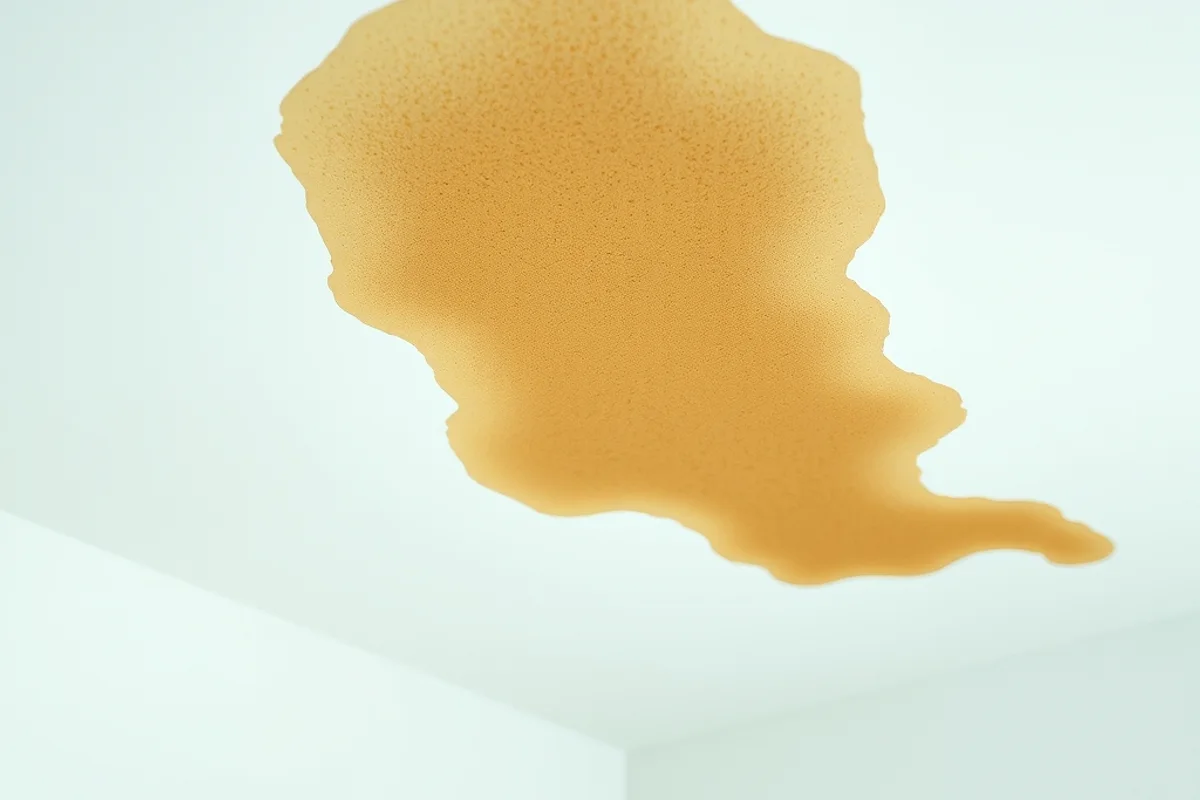
Water is the most common source of household claims and one of the most conditional. A burst pipe that releases water overnight is usually covered. A slow leak behind a shower that has been damp for months is often treated as a maintenance issue and excluded.
The practical lesson is to act quickly and document everything. If you notice a damp patch, call a plumber and keep the report. A policy may cover the resulting damage but exclude the failed seal that caused it. The line between the two is where claims are won and lost.
Escape of water limits
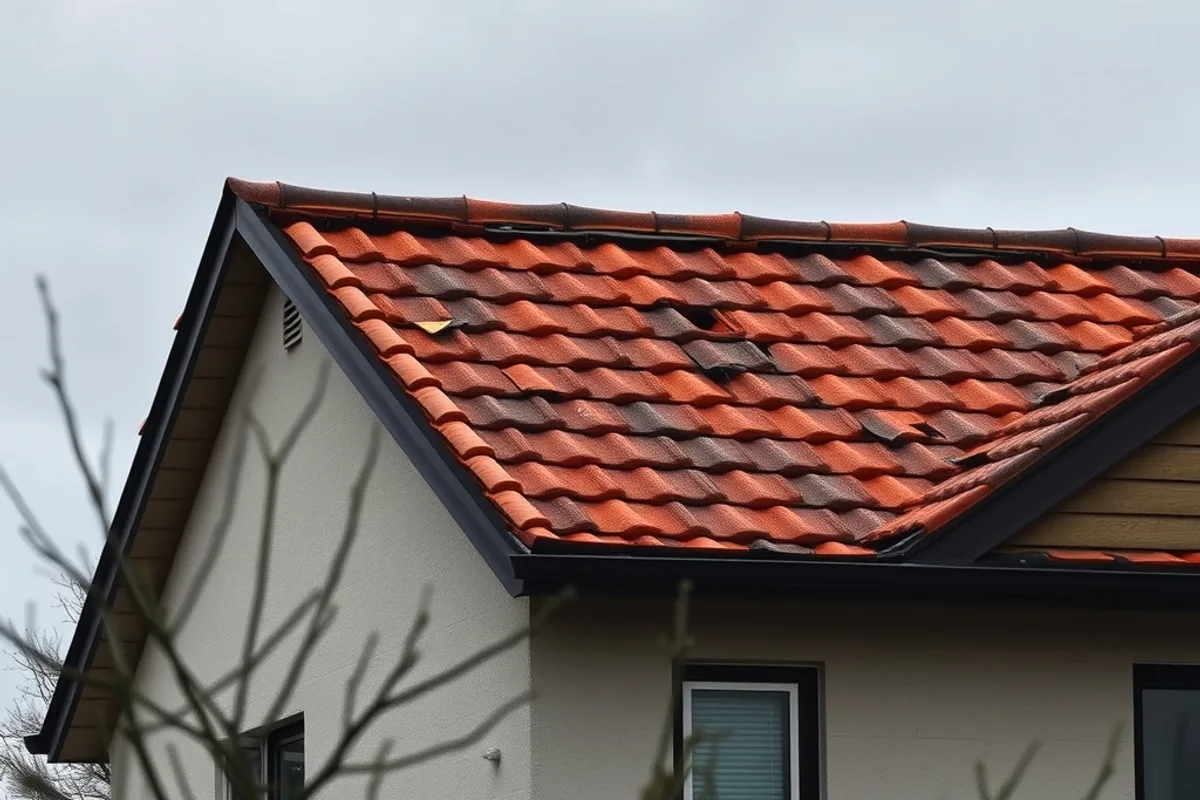
Some policies cap the amount payable for escape of water or require a trace-and-access survey before paying to open walls and floors. Check the cap and the process. A cap that is lower than the cost of a real repair is a gap you are carrying yourself.
Maintenance exclusions
Insurance is designed for sudden and accidental events, not for the gradual failure of a building. Rot, mould, wear and tear, insect infestation and poor workmanship are commonly excluded. That is reasonable in principle and expensive in practice, because the boundary is often disputed.
Keep a maintenance log. Gutters cleared, roof inspected, boiler serviced, trees trimmed. If a claim is challenged, evidence of regular maintenance supports your position. It also reduces the chance of the loss happening at all.
Valuables and sub-limits
A standard contents policy usually includes a single-item limit and a total limit for valuables. Jewellery, watches, art, musical instruments, cameras and bicycles are frequent examples. If an item is worth more than the single-item limit, it may need to be listed separately, with a receipt or valuation.
Bicycles deserve particular attention. Many policies cover them only at home or up to a small amount away from home. If a bike is expensive and used daily, a dedicated policy or a named-item extension is often cheaper than discovering the gap after a theft.

Home businesses and equipment
A standard household policy assumes a home, not a workplace. If clients visit, stock is stored, or expensive equipment is used for business, the policy may exclude the business activity, the stock and the liability. A home-business endorsement or a separate commercial policy closes the gap.
The same applies to equipment that leaves the house for work: laptops, tools, cameras and instruments. Check whether away-from-home cover exists and what the limit is.
Deductibles and the small-claim trap
A higher deductible lowers the premium, which is often sensible for a household that can absorb a small loss. The trap is claiming for small amounts. Frequent small claims can affect renewal pricing or eligibility, and the payout after the deductible may be modest. Use the policy for the losses that matter, and keep a small repair fund for the rest.
Documentation before the claim
The best time to prepare a claim is before anything happens. Walk through the home with a phone and record a video of each room, open cupboards, and photograph serial numbers. Store the file in the cloud. Keep receipts for major purchases and valuations for high-value items.
After a loss, photograph the damage before cleaning up, keep damaged items where possible, and notify the insurer promptly. Most policies require immediate notification and reasonable steps to prevent further damage.
Conclusion
Home insurance is a contract, not a feeling. The value of the policy is decided by the sum insured, the basis of settlement, the exclusions and the sub-limits. Read those four things, adjust them to the home you actually have, and keep the evidence that makes a claim straightforward.
The goal is not to eliminate every gap. It is to know which gaps you are carrying and to decide, deliberately, whether that risk is acceptable.
Sources and further reading
- National insurance regulators, consumer guidance on home insurance.
- OECD, Insurance Statistics and disaster risk financing reports.
- Chartered loss adjusters, public guidance on the claims process.